The tube is the product, not the afterthought
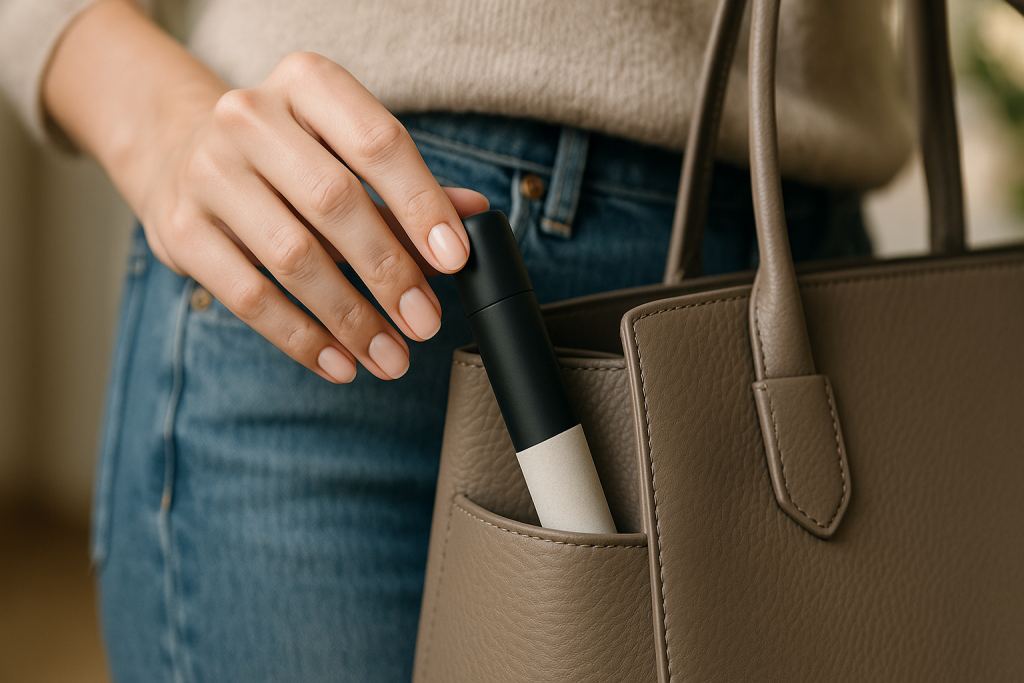
In 2026, pop top pre roll tubes are no longer just “something to stop it getting crushed.” They are a brand touchpoint. They sit in pockets, handbags, and gloveboxes. They get photographed.
That reality has changed the design brief. A tube now needs to feel intentional. It also needs to survive fulfilment, retail handling, and repeat opening.
CaliPack Pro sells pre-roll tubes alongside Mylar bags, printed on Mylar bags, jars, tamper jars, Miron jars, vape bags, sticker on Mylar bags, and bundles. That mix matters. Brands want one visual system across formats. A tube that looks like it came from a different planet doesn’t help.
Closures are the new battleground
Designers love talking about artwork. Operators talk about caps. They’re normally right.
A closure decides whether the product feels cheap. It also decides whether the pack works in regulated markets. That includes child-resistance and tamper evidence. Packaging trade coverage keeps coming back to this tension between branding and compliance. Packaging Digest’s overview of brand-led cannabis packaging directions frames it clearly. Packaging has to differentiate. It also has to communicate information quickly.
Why pop top pre roll tubes are still the default
Snap caps remain popular because they’re quick. They also work one-handed. That matters when the “use moment” is not a tidy kitchen counter.
The catch is consistency. Too loose feels flimsy. Too tight feels like a fight. In 2026, better tubes are being specced with tighter tolerances, cleaner molding, and more predictable hinge behaviour.
- Cap profile that doesn’t snag in pockets
- Hinge that stays aligned after repeated use
- Rim geometry that resists accidental opening
- Tamper band option for markets that expect it
Child-resistance is where brands get caught out. A simple snap cap can be “hard for kids” in theory. That is not the same as passing a recognised testing method. If you sell into markets that demand proven performance, start with the standard. ISO sets out the requirements for reclosable child-resistant packs in ISO 8317.

Materials that look premium without shouting
Clear plastic had its moment. It still has a place. It lets customers see the contents. It also shows every scuff and fingerprint.
In 2026, the more interesting move is controlled opacity. Frosted, tinted, and fully opaque tubes protect the look of the product and the look of the pack. They also give you space for cleaner graphics.
Glass is still the “premium signal” for many buyers. It feels substantial. It also brings weight and breakage risk. For some brands, aluminium is the smarter luxury cue. It reads like personal care packaging. It also takes knocks.
Be wary of gimmick materials that can’t survive day-to-day handling. Some “eco” composites feel like cardboard in the hand. They then crease, fluff, or swell. The marketing claim collapses on first contact.
When people talk about designer pre roll tubes, they often mean two things. They mean a material that doesn’t look like a lab vial. They also mean colour control that matches the rest of the range.
Print, texture and the quiet return of restraint
The loudest packs on the shelf are not always the best packs to live with. High saturation artwork dates fast. It also fights with compliance panels.
Trade print commentary keeps pushing the same four finishing moves for a reason. They still work. Soft-touch coatings lift a simple label. Spot UV gives hierarchy without adding clutter. Foil stamping and embossing add tactility. Those techniques are repeatedly cited in print-focused packaging trend write-ups, including in the finishing lists doing the rounds for 2026.
There is a practical reason for this trend. If the tube itself is a solid, controlled colour, the label can do less. That label then prints cleaner. It also reads better under retail lighting.
- Matte base with one glossy element
- Small foil accent on a symbol, not a whole block
- Embossing used for structure, not decoration
- One typeface family across the range
Some brands still want nostalgia cues. They use old-school icons, badge shapes, and simplified illustrations. Others go hard on information-first layouts. That split was called out in Packaging Digest’s slideshow. It is real. It also maps neatly to who is buying. Newer buyers tend to want clarity. Collectors want character.
If you’re building custom pre roll tubes, treat print as a system. You need a version that works in monochrome. You also need a version that survives rubbing in a pocket.
Information design, traceability and the QR code problem
The biggest shift in tube design is not a finish. It’s the label architecture.
Many markets now expect packaging to do three jobs at once. It has to carry mandatory warnings. It has to carry batch or product identifiers. It has to carry branding that is still recognisable at a glance.
The best packs separate these layers. Brand elements sit on the “hero face.” Compliance information sits on a designated panel. Batch information sits where it can be over-labelled without wrecking the design.
QR codes are everywhere in 2026. Some earn their space. Many do not. If the code just links to a homepage, it’s dead weight.
Use the code for something specific. Lab results, provenance pages, freshness guidance, and authenticity checks are the usual options. Keep the destination lightweight. Mobile reception in a shop is often terrible.
This is also where pop top cannabis containers need more honesty. A lot of “compliance” talk is really marketing talk. If you need child-resistance, specify a tested child-resistant format. If you need tamper evidence, use a feature that makes interference obvious.
There is a UK angle too. Packaging cost pressure is rising because waste obligations are tightening. UK guidance on extended producer responsibility is not cannabis-specific. It still affects packaging placed on the market. UK Government information on extended producer responsibility for packaging is a useful starting point for anyone trying to reduce material and components.

Here is the uncomfortable point. A lot of pre roll packaging solutions fail because the label plan is an afterthought. They end up with warning stickers slapped over the logo. That makes the pack look counterfeit, even when it’s legitimate.
There is also cross-learning from pharma. Cannabis is not a medicine in most UK retail settings. The packaging challenges rhyme. The MHRA guidance on best practice for labelling and packaging shows how much attention goes into readability, hierarchy, and error reduction.
By this point, the “standard tube” is not really standard. Even pop top pre roll tubes need a labelling plan that survives regulation and real-world handling.
Designing for filling lines, fulfilment and real life
Pretty tubes that jam on a line are not premium. They’re expensive mistakes.
Automation is a bigger part of the 2026 conversation. Filling, inspection, tube loading, and capping are increasingly treated as one connected system. Paxiom’s demonstration of a tube filling and capping setup shows that direction clearly. Paxiom’s overview of an automated pre-roll tube filling and capping system describes weighing, vision inspection, tube loading, and cap application.
That matters for design choices. A tube needs a lead-in that guides loading. It needs a cap that seats predictably. It needs a label that doesn’t scuff when it runs through guides.
If you ship direct-to-consumer, add another layer. Caps get knocked. Labels get rubbed. Tubes end up rolling in cartons.
Small details make the difference:
- Anti-roll geometry or a slight flat
- Rattle reduction via internal ribs or a snug fit
- Cap that resists “half closed” states
- Surface texture that hides handling marks
There is also a legal reality in the UK. THC products are heavily controlled. Many UK packaging purchases are for lawful hemp-derived goods or export markets. Either way, the pack still has to look credible. It also has to behave predictably in transit.
For some ranges, a tube is not even the only format. Multi-packs might sit in Mylar bags. Higher-end sets might sit in a rigid outer carton. The tube then becomes an inner component. That is where innovative cannabis tubes have moved. They are designed as part of a kit, not as a lonely object.

Frequently Asked Questions
Are pre-roll tubes supposed to be child-resistant in 2026?
It depends on the market you sell into. Many regulated markets require child-resistant packaging for cannabis products. If you need proven child-resistance, work to a recognised testing approach such as ISO 8317.
Is clear or opaque better for a pre-roll tube?
Clear tubes show the product. They also show damage, scuffs, and any inconsistency. Opaque or tinted tubes protect the look of the contents and usually make branding easier to control.
What finishes look premium on a tube label in 2026?
Soft-touch coatings, spot UV, restrained foil accents, and light embossing are still the safest options. They add tactility without making the label noisy. The best result comes from keeping the base design simple.
How do I stop pre-rolls rattling inside a tube?
Start with correct sizing. Add internal ribs or a tighter internal diameter if the format allows it. If you need more control, consider inserts or a different closure style that holds the product more securely.