From “import myth” to packaging shorthand
Ask around in 2026 and you’ll hear the same question in different accents. People still ask what is a cali pack when they really mean “is this meant to look premium”.
That shift matters in the UK. Cannabis is still tightly controlled outside limited medical routes. Packaging has still become a loud status signal in the wider scene.
The odd part is this. The “Cali” tag often says more about the pouch than the product’s origin.
A pack style, not a provenance claim
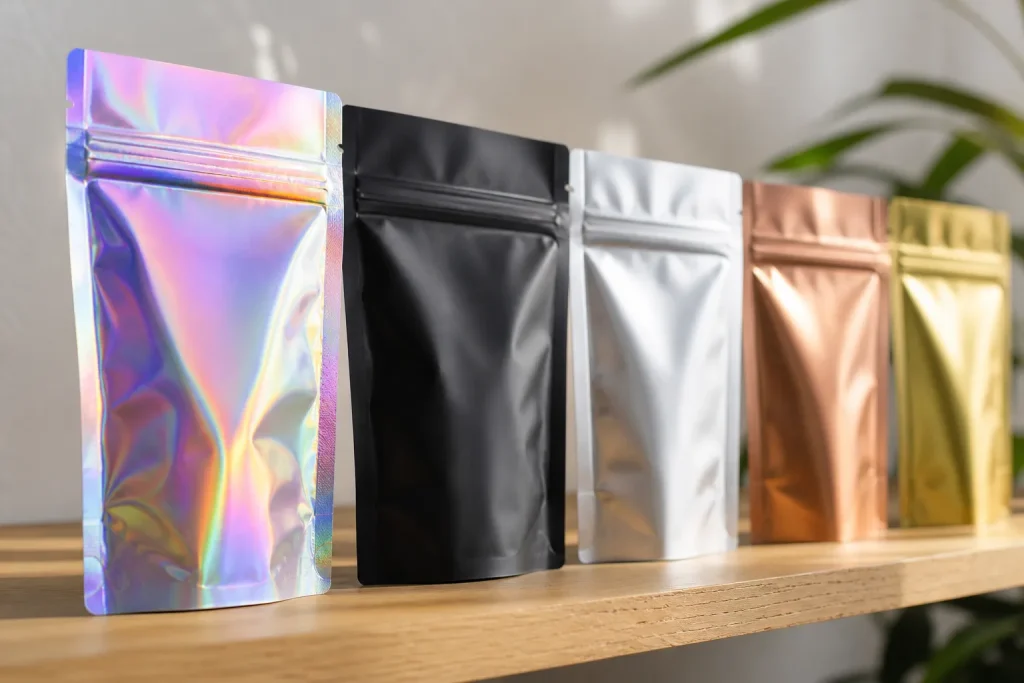
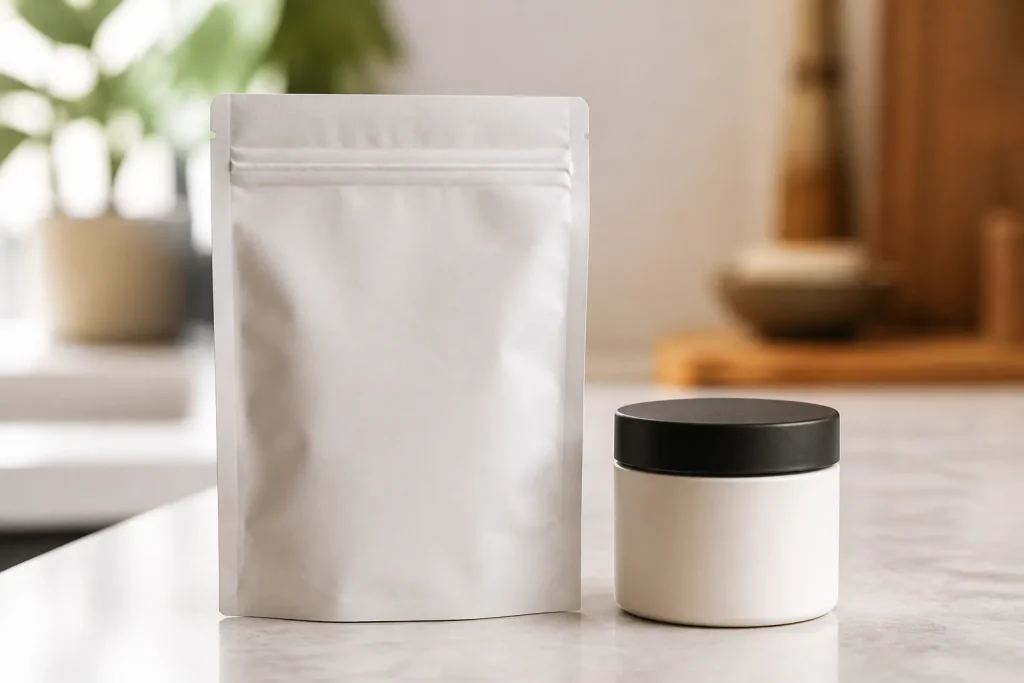
There’s a practical way to frame the cali pack definition without getting dragged into hype. It’s a high-barrier pouch, usually Mylar-style film, built for freshness, odour control and shelf impact.
Most of the time you’re looking at a heat-seal top, a reseal zip and bold artwork. The finish does the rest. Matte laminates, gloss hits and metallic effects photograph well.
What is a cali pack when the UK market is the audience?
In UK terms, it’s packaging language. It borrows its look from regulated dispensary presentation. It then gets remixed through social media and street culture.
A buyer sees the bag first. That’s the point.
For legitimate UK operators, that creates a design problem. You can borrow the premium cues. You still need restraint, clear labelling space and a format that suits lawful products.
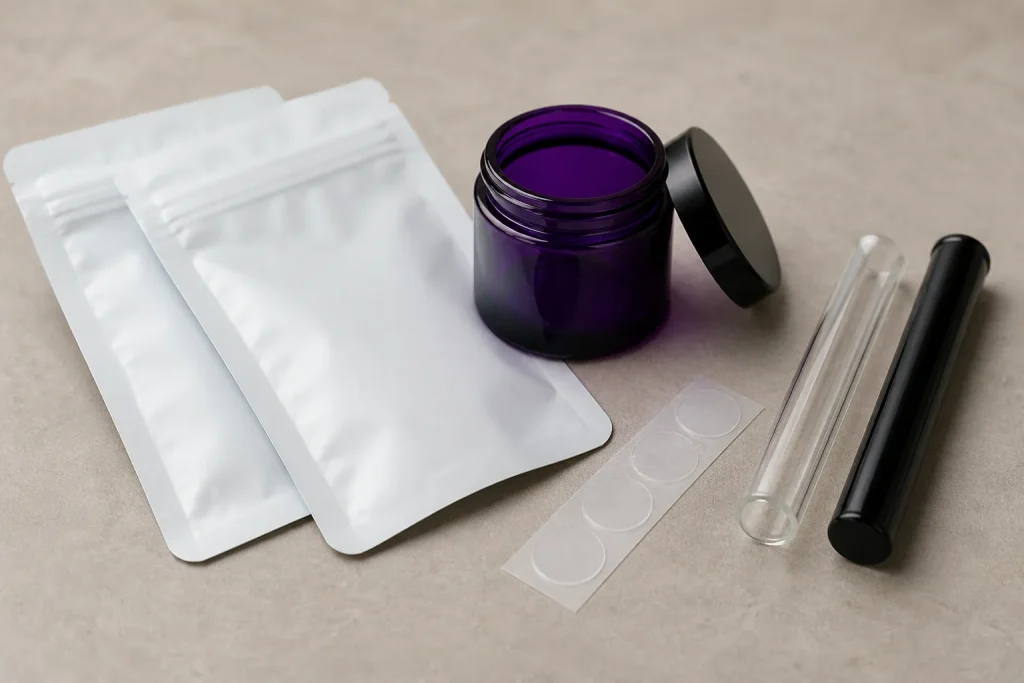
That’s why CaliPack Pro treats the “Cali style” as a packaging category. It sits alongside jars, tamper jars, pre-roll tubes, vape bags and sticker-on-bag options in the catalogue.
How the look travelled into the UK scene
The cali pack history is not a straight line from California to Britain. It’s more like a moodboard that got shared too many times. US-style packs became reference points for what “top shelf” should look like.
By 2026, the UK conversation often ignores where something was grown. It judges the presentation. That makes the bag a proxy for quality, even when that logic falls apart.
Social platforms accelerated this. A pouch is easy to frame in a hand-shot. It’s also easy to compare side by side.
There’s a downside. A format that’s easy to admire is also easy to copy. The UK has no shortage of imitation artwork on generic pouches.
Function first, then the finish
Strip the hype away and the cali pack benefits are mostly practical. Barrier film helps slow down aroma loss. A proper seal reduces fiddling and contamination risk.
That’s why Mylar-style pouches became the default for modern cannabis and CBD presentation. The material is light. It’s durable. It’s also a strong base for high-resolution print.
In packaging terms, a “premium” pouch tends to earn its keep when it has:
- High-barrier film for aroma and moisture
- A clean heat-seal area for tamper cues
- A reliable zip closure for repeat access
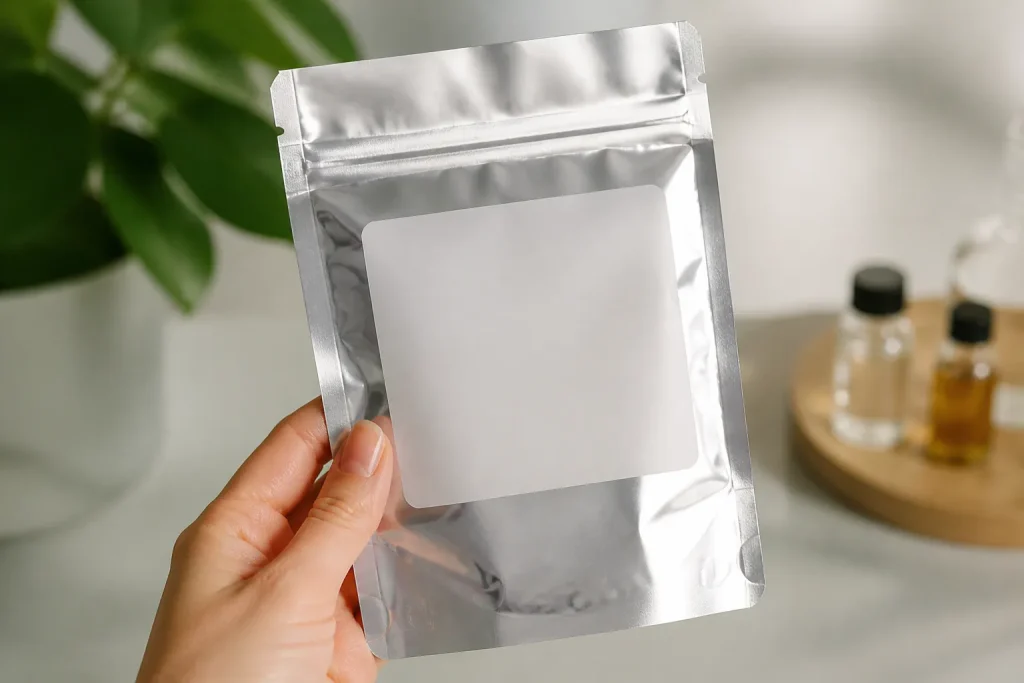
- Enough blank space for lawful product details
Format choice matters as much as print. A pouch suits fast-moving lines. A jar suits display and re-use. A tube suits single-unit pre-roll presentation.
| Format | Why it shows up in the “Cali style” conversation | Where it fits for lawful UK businesses |
|---|---|---|
| Printed Mylar bags | Big visual impact with strong barrier protection | CBD flower-style products, accessories and branded merchandise presentation |
| Sticker-on-Mylar bags | Flexible for short runs and quick artwork changes | CBD lines that need frequent batch updates and limited editions |
| Jars and tamper jars | Hard-shell protection with clear tamper signalling | Premium CBD products where re-use and storage matter |
| Miron jars | Luxury feel with light-management benefits | High-end CBD ranges that want a calmer, more clinical finish |
| Pre-roll tubes and vape bags | Purpose-built sizing with tidy carry | Legal accessories, compliant CBD formats and clean retail display |
If you want a straightforward starting point for materials and print, start with printed Mylar bags. You can then scale into jars, tubes and bundles without changing the brand world.
Trust problems, fake signals and UK compliance reality
The UK scene has a trust issue. “Cali style” can signal care. It can also be pure theatre.
When someone searches what is a cali pack, they’re often trying to work out if a pack is genuine. That instinct is understandable. Packaging can still be misleading.
A clean design is safer than a loud one. Copying sweet-style visuals is reckless. It increases the risk of looking like you’re marketing to children.
Claims are another trap. If a CBD product is presented with medicinal promises, regulators can treat it as a medicine. The MHRA is direct about this in its statement on CBD products and medicinal claims.
Advertising rules also bite. The ASA’s guidance on CBD health and disease treatment claims is not an optional read. It’s where brands get caught out.
If you sell ingestible CBD, the novel foods position is part of the risk picture in 2026. The Food Standards Agency sets out its approach in CBD business guidance.
Then there’s the legal boundary that packaging cannot cross. Cannabis remains a controlled drug outside limited permitted routes. The Home Office position is set out in its drug licensing factsheet on cannabis, CBD and cannabinoids.
In practice, good packaging supports lawful trade. It doesn’t magically legitimise unlawful supply.
This is where labelling becomes more than decoration. The cali pack contents should never be a mystery for compliant CBD retail. Space for batch details, ingredients, warnings and responsible use language is part of grown-up design.
2026 pressure points: waste rules, materials and a calmer aesthetic
By 2026, “premium” is starting to look less like chaos. It looks more like discipline. Clear panels for information help. Shorter copy helps.
Sustainability pressure is also real. Packaging producers need to pay attention to extended producer responsibility for packaging. It shapes decisions on materials, weights and avoidable waste.
This is where the term cali pack UK becomes useful. It describes a local interpretation of a global style. It also hints at a maturing market that wants nicer packaging without childish cues.
For brand owners, that can mean fewer finishes, better typography and more whitespace. For packaging buyers, it means picking the right format first. A pouch is not always the answer. A jar is not always overkill.
If the goal is credibility in 2026, the safest move is boring on purpose. Clean artwork lasts longer. It also reduces the risk of looking like a counterfeit costume.
Frequently Asked Questions
Are Cali-style packs legal in the UK?
Empty packaging formats are legal to buy and sell. The legal risk comes from how packaging is used, what claims it makes and what product is supplied. UK controlled-drug rules still apply.
Do “Cali” pouches always mean the product is imported?
No. In 2026 the term is often used to describe a look and a finish. It can be a styling choice for CBD brands. It can also be used as a misleading signal in unregulated channels.
What features make a premium Mylar pouch feel credible?
Start with barrier material, a reliable zip and a clean heat-seal area. Then look at print sharpness, sensible use of finishes and enough space for compliant product information. Avoid graphics that look child-focused.
What should a compliant CBD brand prioritise on pack design?
Legibility and restraint. Avoid medicinal claims unless you have the correct authorisation. Build a layout that can carry batch detail, ingredients and clear warnings without squeezing the design.