
The UK has adopted the look. The reasons are very British.
Ask ten people what a “Cali pack” is and you’ll get ten different answers. Most start with the same question. They ask what is a cali pack because they’ve seen the glossy bags online, or in someone’s hand, and assumed there’s a single definition.
There isn’t. In the UK it’s mostly a style of packaging and a set of signals. Some are harmless. Some are risky. The consumer behaviour around it is the part worth understanding.
So, what is a cali pack for a UK buyer?
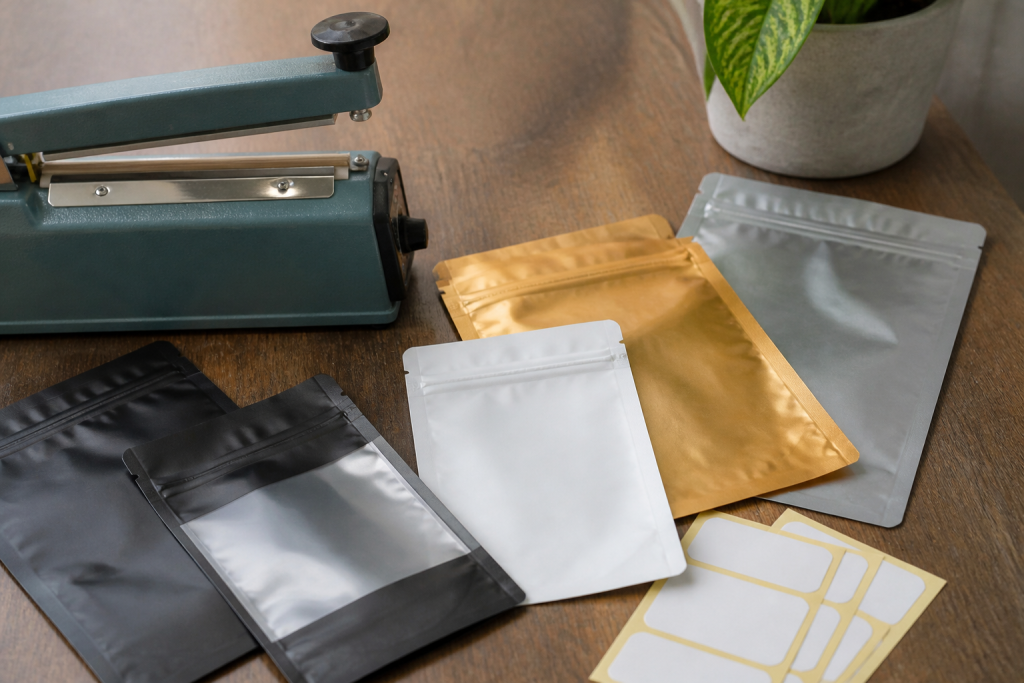
In plain terms, it usually means a California-inspired pouch, often a printed Mylar bag, built to feel “premium”. It’s commonly heat sealed. It often has a zip closure for re-use.
The design language borrows from US dispensary culture. That matters even when the product isn’t from the US.
A good looking bag isn’t proof of quality. It’s not proof of compliance either. That point gets missed a lot.
Who actually buys them in 2026?
There’s a lazy myth that only one crowd goes near this packaging. The real picture is broader. It has become a generic shorthand for “this should feel top shelf”.
At one end, there are legitimate CBD operators who want a clean, modern look. They still need sensible labelling and responsible claims. They also need packaging that protects the product.
At the other end, there are buyers treating the bag itself as the thing. That’s where who buys cali packs becomes a useful question. It points to collectors, resellers and people who like the theatre of unboxing.
- Design-led shoppers who want something that looks curated
- People buying a small gift for a mate
- Consumers who equate louder graphics with higher strength
- Buyers who just want something resealable and neat
The packaging cues UK consumers respond to
The UK buyer isn’t only chasing “Cali”. They’re chasing control. They want a pack that feels sealed, tidy and difficult to tamper with.
That’s why barrier materials matter. High barrier films slow moisture and oxygen transfer. They also reduce aroma transfer. Those are real cali pack benefits when the product is legal and properly labelled.
Child resistance is another cue. It’s not just a cannabis conversation. It’s a wider packaging expectation set by medicines and household products. ISO even publishes a dedicated child-resistant packaging standard. ISO 8317 child-resistant packaging requirements sets out performance testing for reclosable packs. (iso.org)
For regulated products, the bar is higher than vibes. UK medicines guidance is explicit about packaging, labelling and patient information. It also covers where child-resistant packaging is used. GOV.UK guidance on medicines packaging and labelling is a good benchmark for how serious packaging rules can get. (gov.uk)
Then there’s the trust problem. The UK has plenty of consumers who have learned that a glossy pouch can hide anything. They’ve become more cynical in 2026. That’s healthy.
Trade packaging content often repeats the same basics for a reason. Protect the product. Reduce tampering. Communicate clearly. GrowerIQ’s packaging guide runs through those practical priorities across markets. (groweriq.ca)
How people talk about them online
UK buyers don’t describe these packs like packaging. They describe them like fashion. They talk about colours, finish and how the seal “sounds” when it breaks.
That’s why cali pack reviews can be oddly detailed. They often focus on print sharpness and pouch thickness. They rarely focus on labelling quality. That mismatch is the red flag.
There’s also a counterfeiting issue. A pack can copy a look in minutes. The consumer often assumes the look guarantees the contents. It doesn’t.
For legitimate brands, the answer is rarely louder artwork. The answer is clarity. Use consistent batch coding and sensible label space. Make the pack do its job.
Uses that drive the purchase, from jars to pouches
In the UK, the packaging decision is usually practical first. The aesthetic comes second. That remains true even when the graphics are loud.
There are three common cali pack uses in legal retail contexts. They are storage, portioning and presentation. Each points to a different format.
CaliPack Pro sells packaging formats that map onto those needs. The catalogue includes Printed on Mylar Bags, Mylar Bags, Jars, Tamper Jars, violet glass Miron-style jars, Pre-Roll Tubes, Vape Bags, Sticker on Mylar Bags, Custom Print on Demand and Bundles.
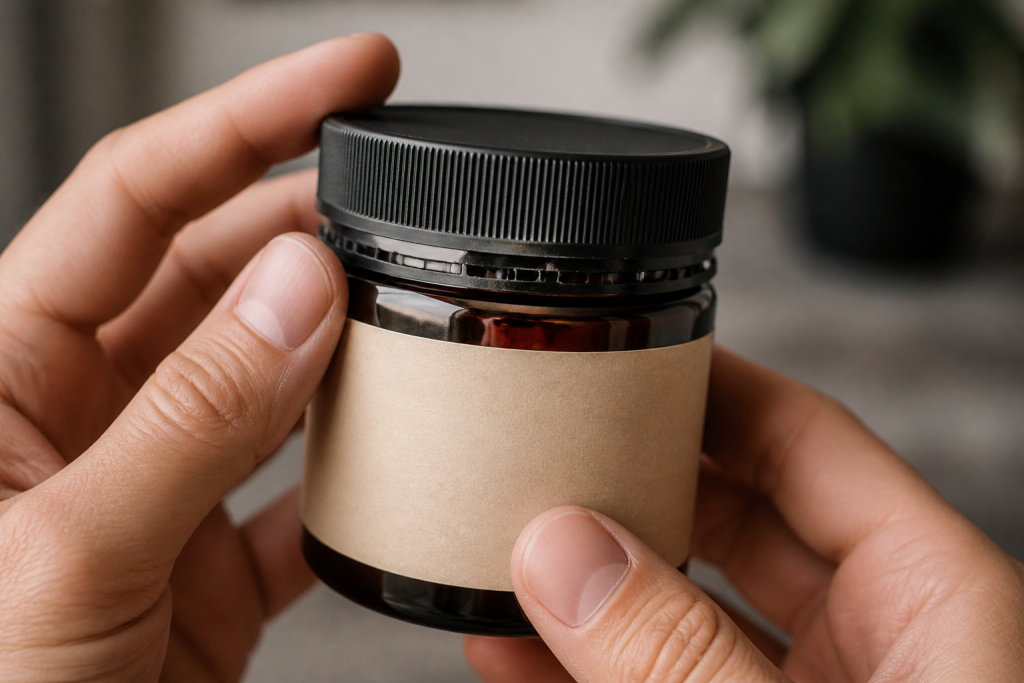
A pouch suits dry goods that need a light and air barrier. A jar suits products where shape retention matters. A tamper jar adds a visible integrity cue.
| Format | Why UK consumers choose it | Best fit for brand messaging |
|---|---|---|
| Printed Mylar bag | Feels “sealed”, packs flat and looks giftable | Bold design with space left for clear labelling |
| Stickered Mylar bag | Fast to iterate without committing to full print | Small drops, seasonal releases and test ranges |
| Jar | Premium shelf feel and easy re-close | Clean, minimal identity with strong product naming |
| Tamper jar | Visible first-open reassurance | Safety cues and “sealed for freshness” framing |
| Pre-roll tube | Pocket friendly and crush resistant | Simple, compliant copy and a tidy finish |
Popularity is real. The misunderstanding is real as well.
It’s easy to overstate cali pack popularity. It’s also easy to pretend it’s niche. The truth sits in the middle.
The look has moved from subculture to mainstream awareness in 2026. That doesn’t mean buyers have become experts. Many still treat packaging as a proxy for provenance.
UK law doesn’t care about aesthetics. It cares about controlled substances, licensing and supply routes. That’s where consumers can come unstuck.
The Home Office position remains clear on cannabis, CBD and controlled cannabinoids. The Home Office factsheet on cannabis, CBD and other cannabinoids is the place to start for official wording. (gov.uk)
There have also been further controls on certain cannabinoids in 2026. The detail matters for anyone trying to market products around the edges. The Misuse of Drugs Act 1971 (Amendment) Order 2026 is a reminder that the goalposts do move. (legislation.gov.uk)

Frequently Asked Questions
Is a Cali-style pack a sign the product is genuine?
No. It’s a packaging style. A convincing pouch can be bought by anyone. Provenance comes from compliant labelling, traceability and lawful supply routes.
Are these packs only used for cannabis in the UK?
No. The same pouch formats are used for legal CBD goods and other small dry products. The “Cali” label is about the look and perceived tier. It’s not a regulated category.
What packaging features do UK consumers tend to trust most?
Tamper evidence is a big one. Clear labelling and batch details help as well. Child-resistant closures also signal seriousness, even when they’re not legally required for every product type.
Do jars feel more premium than bags to UK buyers?
Often, yes. A jar reads as more permanent and more “displayable”. A pouch can still feel premium when the print is sharp and the closure feels solid.
What is the safest way for a legal brand to use this aesthetic?
Keep the design clean. Leave space for clear compliance-led labelling. Choose barrier materials and closures that match the product and don’t rely on hype to do the work.