From hype to packaging shorthand
Ask ten people what is a cali pack and you’ll get ten slightly different answers. In the UK, the phrase has become shorthand for a particular look. It’s usually loud graphics, tight seals and a “California” mood.
The cali packs meaning has drifted over time. Some buyers mean imported flower. Others mean nothing more than premium packaging. That confusion matters in 2026. Sustainability claims fall apart fast when the label is doing more storytelling than the material.
There is a second issue. The “Cali” look often borrows cues from sweets culture. That can collide with UK expectations around responsible marketing, even when the contents are legal CBD.
What is a cali pack when you’re choosing packaging?
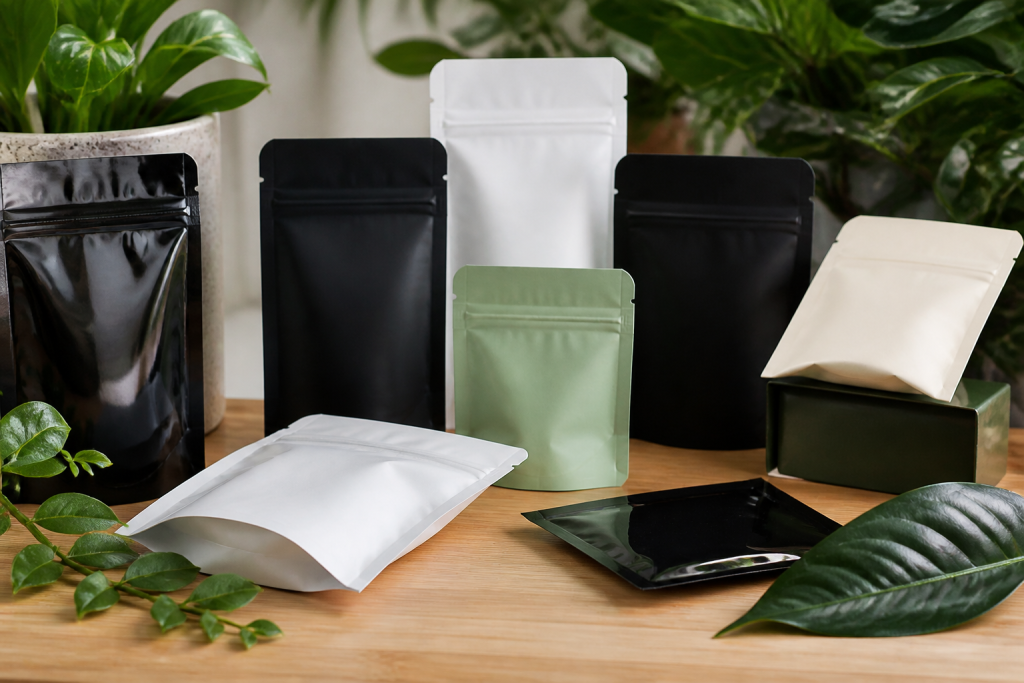
Strip away the slang. You’re normally looking at a flexible pouch or a small rigid container designed for aroma control, moisture protection and shelf presence.
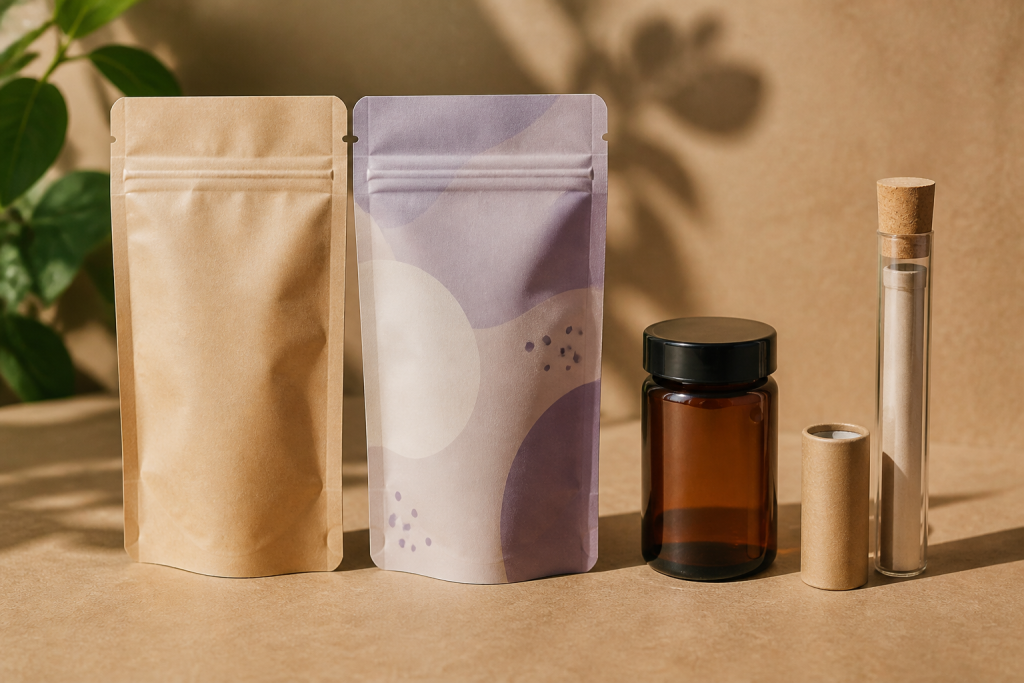
Common formats are mylar-style bags, screw-top jars, tamper-evident jars, pre-roll tubes and small vape bags. The choice should start with product format. It should also start with how often the pack needs opening.
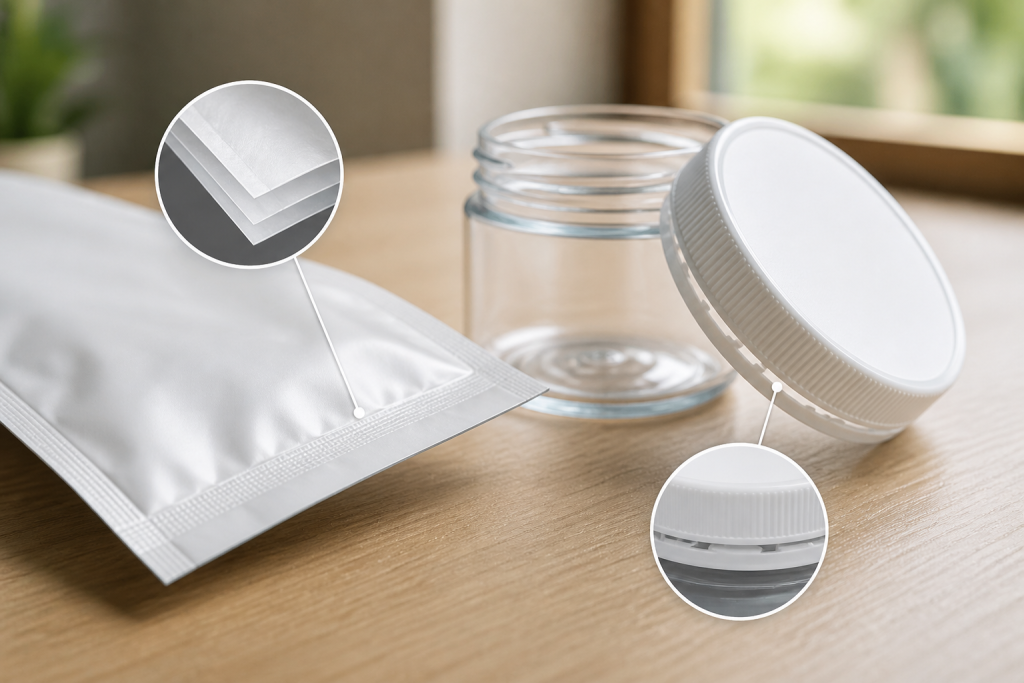
Most of the cali pack features are practical rather than glamorous. Barrier layers keep terpenes in. Heat seals reduce leaks. Opaque films cut light exposure. Zip closures support repeat use.
- High barrier film with a reliable heat seal
- Clear fill lines for consistent weights
- Tamper evidence that doesn’t look DIY
- Space for compliant information and batch details
A cali pack overview should include what the end user does next. Can they reuse the pack? Can they recycle it locally? Can they separate components without a fight?
Sustainability is not a vibe
Packaging waste is the price of discretion and freshness. It’s also the easiest part of cannabis culture to criticize. The glossy pouch that photographs well often performs badly at end of life.
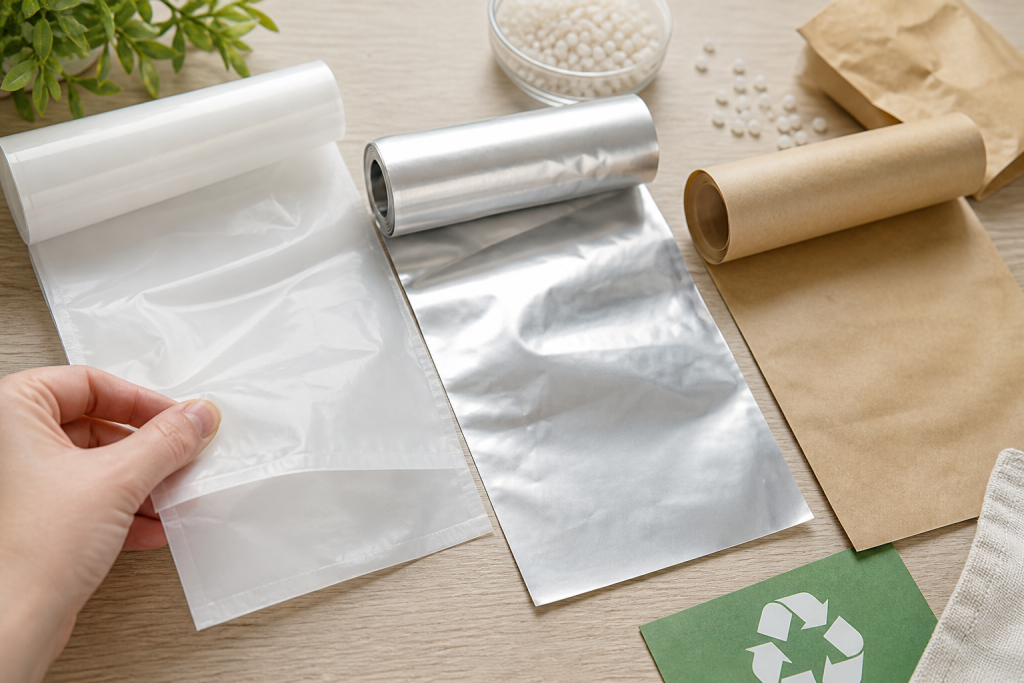
Cannabis and CBD packs often use laminated structures. A typical high-barrier pouch can combine PET, aluminium and PE. That mix protects product well. It also makes recycling difficult in many UK streams.
Recycling is the hard part.
If you place packaging on the UK market in 2026, the policy direction is clear. Producers are being pushed to think about disposal costs. The UK’s extended producer responsibility for packaging scheme is part of that shift.
Plastic content is another pressure point. The UK’s Plastic Packaging Tax is structured around a recycled content threshold of 30% for plastic packaging components. That doesn’t ban anything. It does make “virgin by default” harder to justify.
This is where cali pack sustainability stops being a slogan. Material choices, print coverage and pack size start affecting cost, compliance and brand reputation.
Smarter materials and formats that still feel premium
The benefits of cali packs are real. Flexible packs ship efficiently. They weigh less than glass. They also reduce breakage in the post.
That doesn’t mean every pouch is “green”. A high-barrier laminate can be the correct technical answer for flower. It can also be the wrong answer for a low-aroma CBD product that could live in a simpler structure.
Start with right-sizing. Oversized packs waste film. They also encourage air volume. That pushes odour through closures over time.
Then look at structures. Mono-material PE or PP films can be easier to collect through the right schemes than multi-layer builds. The trade-off is barrier performance. Shelf life comes first for many products.
- Choose the smallest pack that seals cleanly
- Ask for recycled content options where performance allows
- Reduce heavy ink coverage on large black panels
- Prefer designs with fewer components to separate
Rigid packaging can be a sustainability win when it’s reused. That’s the real argument for quality jars and proper closures. It also suits premium positioning without resorting to gimmicks.
Dark glass “Miron-style” jars are popular for light-sensitive storage. They can be reused for years. They do add weight in transit. That needs an honest view of shipping distances and breakage rates.
Compliance and design choices that reduce waste
Sustainability gets messy when the pack has to carry more information. CBD products that are treated as foods have labelling expectations. That includes name and address details in many cases. The UK government’s food labelling guidance is a sensible starting point.
CBD regulation is also not static in 2026. If you’re selling ingestible CBD products, read the UK’s CBD guidance. Packaging and relabelling are directly implicated when products are repacked or presented for sale.
Design has a duty-of-care angle too. Child appeal is the obvious trap. Cartoon visuals, sweet-shop colourways and playful drug slang can create complaints. CAP guidance on drugs in non-broadcast advertising is not packaging law. It does reflect how regulators think about cues and associations.
If you need child-resistant performance, use standards language correctly. ISO has a clear reference point in ISO 8317 for reclosable child-resistant packaging test methods. Don’t guess. Don’t imply certification without evidence.
Waste reduction can be designed in. Make disposal instructions readable. Make component separation obvious. If you use on-pack recycling labels, follow scheme rules. The OPRL guidance is detailed for a reason.
Where CaliPack Pro fits in a greener direction
CaliPack Pro is a UK packaging business. The catalogue covers printed on mylar bags, plain mylar bags, jars, tamper jars, Miron-style jars, pre-roll tubes, vape bags, sticker on mylar bags, custom print on demand and bundles.
A greener future in cannabis packaging is not one material. It’s better decisions. Choose the pack format that meets the barrier need without theatre. Use print on demand when ranges change frequently. That cuts dead stock and avoids binning pre-printed pouches.
It’s also about finishing details. A good tamper solution can replace secondary overwrap. A well-sized label can replace a full-coverage print. That reduces ink and improves legibility.
If you’re specifying packaging in 2026, ask for the boring details. Ask about material structure. Ask about recycled content options. Ask what the disposal pathway is supposed to be in the UK.
Frequently Asked Questions
Are Cali-style packs recyclable in the UK?
Some are, many are not. High-barrier laminated pouches can be hard to recycle in household collections because they use multiple layers. Mono-material films can be easier to route through the right schemes, subject to local collection rules.
Is a jar always more sustainable than a pouch?
No. A jar can be reused many times, which is the main advantage. A pouch is lighter to ship and usually uses less material. The better option depends on reuse behaviour and delivery distance.
Do I need child-resistant packaging for CBD products?
It depends on your product type, your risk assessment and how you market it. If you claim or imply child resistance, you need evidence and you should reference recognised test methods. ISO 8317 is one common reference point for reclosable packs.
What should be on the label for CBD edibles in 2026?
Start with standard UK food labelling expectations such as name and business details. Then check the latest UK CBD guidance for novel food positioning and packaging implications. If you’re unsure, get formal compliance advice before you print.
How can I reduce packaging waste without making the product feel “cheap”?
Prioritise fit, seal quality and clear information. Reduce unnecessary layers and avoid oversized pouches. Use premium finishes sparingly, then put the effort into closure quality and tamper evidence.