The Cali look is moving from novelty to default
People still ask what is a cali pack when they see loud Mylar pouches on UK feeds. The answer matters in 2026. It shapes how legal operators package CBD and prescribed cannabis products.
The “Cali” label started as a shorthand for US dispensary-style presentation. In the UK it’s become a packaging aesthetic. It’s also a magnet for counterfeits and lazy claims.
What is a cali pack in the UK market?
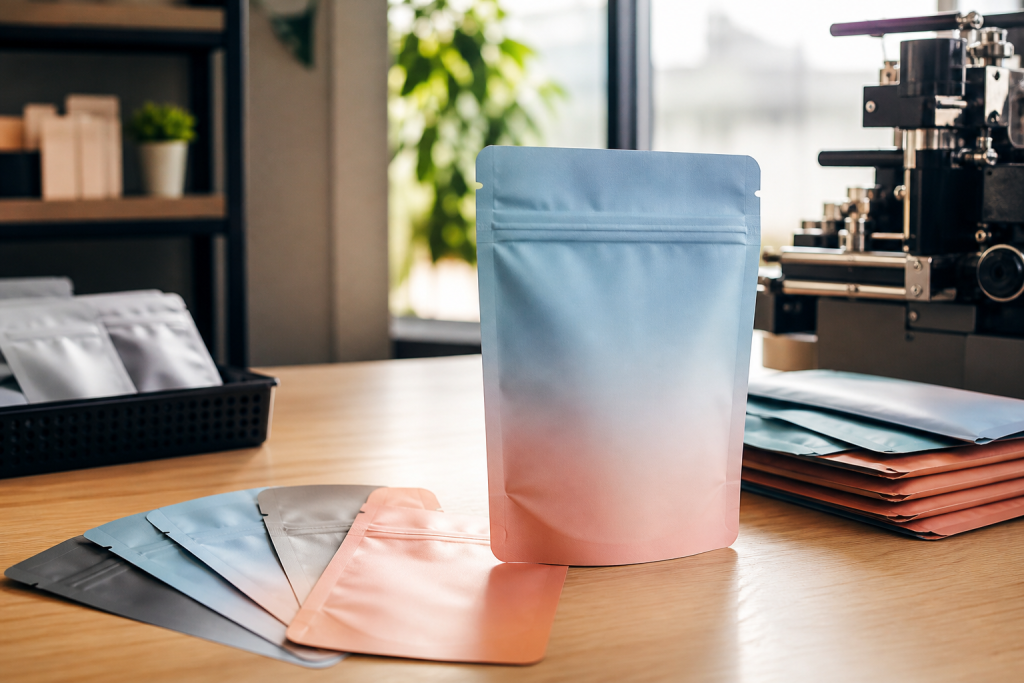
It’s usually a heat-sealed, resealable Mylar pouch with high-contrast graphics. It often has a strain-style name, an effects panel and a shiny finish.
In the UK, that same pouch might be used for legal CBD flower, prescribed products where permitted or plain empty packaging sold for storage. It’s not proof of origin.
Why this format suits UK buyers in 2026
The UK market still rewards discretion. A good pouch is compact, odour-resistant and easy to reseal. That matters for everything from CBD buds to pre-roll packaging.
It’s also made for content. A flat pouch photographs well. A jar looks premium in person. A pouch travels better.
If someone asks for cali pack features, the list tends to be predictable.
- Thick film feel and a tight zip
- Light-blocking layers
- Heat-seal area for tamper evidence
- Room for batch labels and warnings
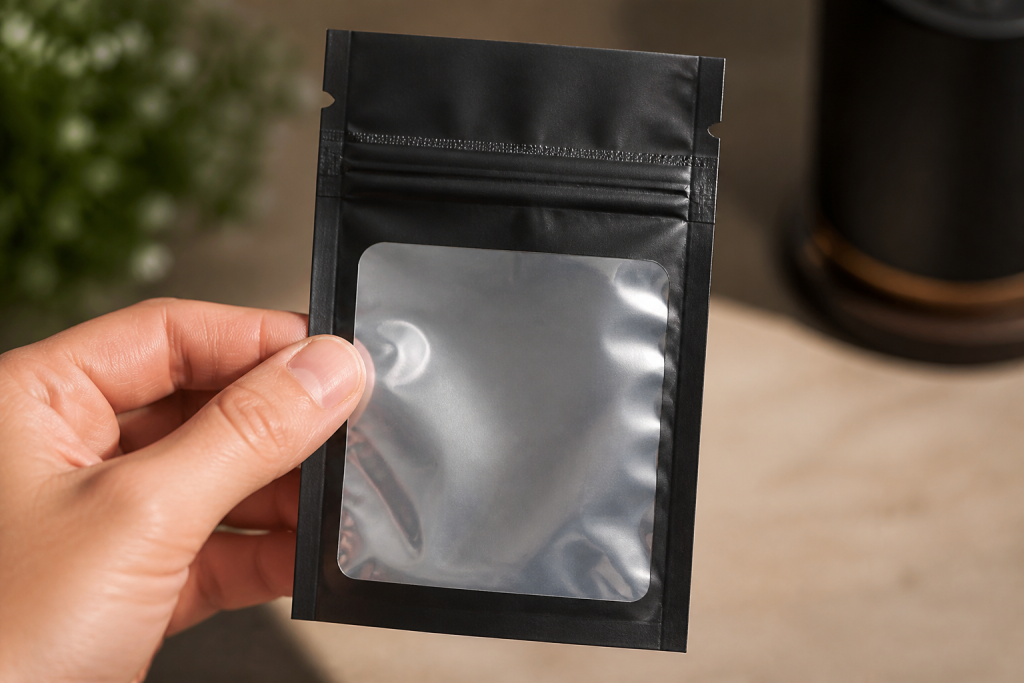
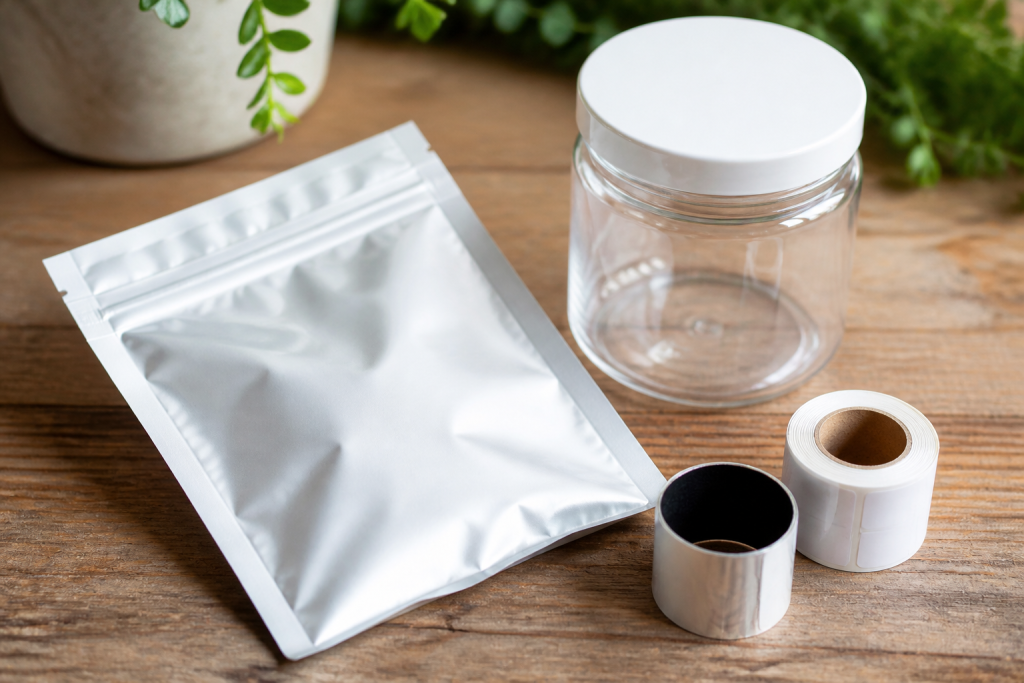
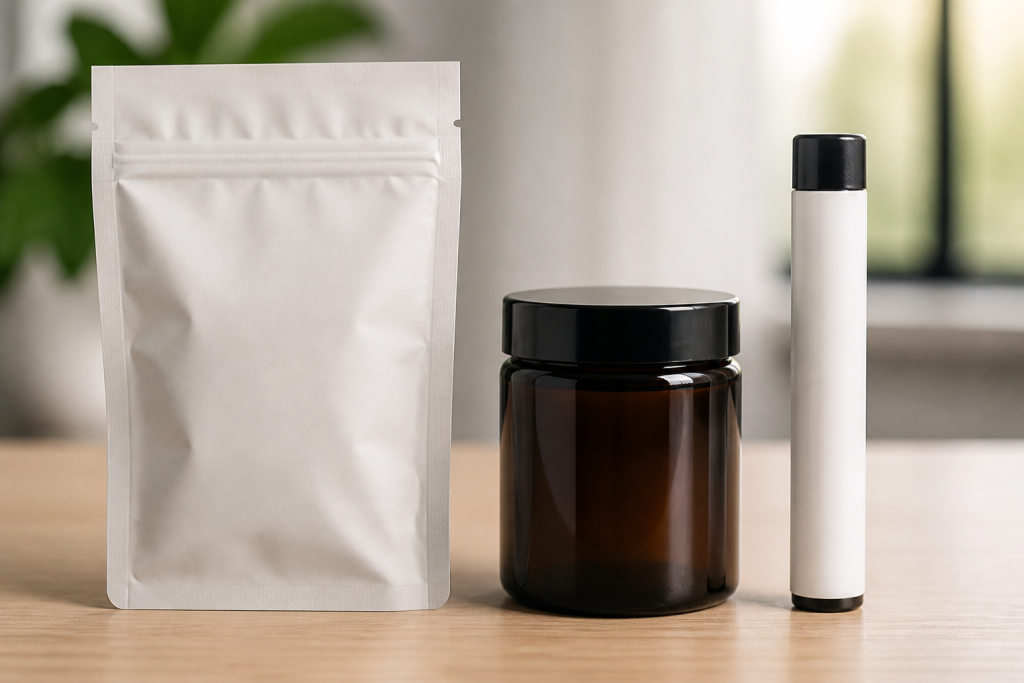
CaliPack Pro’s catalogue fits that reality. Printed on Mylar Bags and Sticker on Mylar Bags suit fast-changing SKUs. Jars, Tamper Jars and Miron Jars suit display and repeat use.
Legality, compliance and the bits many sellers ignore
Any talk of “Cali” packaging in the UK sits next to a legal cliff edge. Non-prescribed cannabis remains illegal. Penalties depend on context and quantity. UK drug penalties guidance is the only sensible starting point. (gov.uk)
Medical cannabis exists in the NHS system. Access is limited and specialist-led. That reality shapes packaging expectations and patient safety messaging. NHS medical cannabis overview sets the tone. (nhs.uk)
CBD is where many legitimate brands live. It’s also where packaging claims go wrong. The ASA is clear that non-licensed CBD products must not make medicinal-style claims. ASA guidance on CBD advertising is blunt for a reason. (asa.org.uk)
The MHRA position is equally direct. If a CBD product is marketed with medicinal claims, it’s treated as a medicine. That creates licensing and advertising consequences. MHRA statement on CBD products lays this out. (gov.uk)
Food rules matter too. CBD extracts and isolates are treated as novel foods. Authorisation is the direction of travel for legal sale. FSA CBD novel foods business guidance is the reference point. (food.gov.uk)
Design is getting quieter. Information is getting louder
There is a shift in 2026. The loudest packs still sell in some corners. The smarter operators are tightening the layout and prioritising readable data.
This is cali packs explained without the theatre. A pouch is a label platform first. A pouch is also a barrier material.
Three design moves are showing up across UK packaging orders.
- A dedicated white label panel for compliance stickers
- Fewer novelty icons and more legible typography
- QR codes that point to lab documents or batch pages
- Consistent warning placement across all SKUs
CaliPack Pro’s Custom Print on Demand model fits this trend. Short runs reduce dead stock. Brands can rotate artwork without a warehouse of outdated pouches.
| Format | Best fit in 2026 | Packaging notes |
|---|---|---|
| Printed Mylar Bags | CBD flower, multi-SKU ranges and launch drops | High shelf impact. Plan a clear label panel for compliance. |
| Sticker on Mylar Bags | Fast testing, small batches and seasonal variants | Flexible. Labels can carry batch and ingredient details. |
| Jars and Tamper Jars | Dispensary-style presentation and premium storage | Good for reuse. Tamper elements add reassurance. |
| Miron Jars, Pre-Roll Tubes and Vape Bags | Light-sensitive products, pre-roll lines and hardware packaging | Choose based on visibility, child safety and the sales channel rules. |
Sustainability pressure is landing on every pouch
Packaging has entered a more regulated phase in 2026. Extended producer responsibility for packaging is now mainstream compliance work. PackUK and Defra guidance was last updated on 29 October 2026. Extended producer responsibility for packaging guidance is the practical hub. (gov.uk)
The message is simple. Producers are being pushed to reduce unnecessary material. Reuse and recyclability are moving from nice-to-have to financial pressure.
For Cali-style pouches, that creates a tension. Multi-layer films protect product. Multi-layer films can be harder to recycle at kerbside.
Brands are reacting with smarter spec choices. They’re also tightening pack size. Oversized bags look flashy. They look wasteful too.
There is also a fee logic behind it. Disposal fees are being structured around recyclability signals. PackUK approach to modulated disposal fees is the direction of travel. (gov.uk)
Security printing and authentication are becoming standard
Counterfeit packaging is not a niche issue anymore. It has pushed legitimate brands towards basic authentication. That’s true in CBD. It’s also true in the medical supply chain.
The benefits of cali packs are real when the spec is right. Barrier, reseal and tamper cues protect product quality. They also protect brand trust.
In 2026, “security” is less about sci-fi ink. It’s more about small operational discipline.
- Unique batch codes printed consistently
- Serialised labels that match internal records
- QR codes that resolve to a controlled domain
- Holographic stickers used sparingly and tracked
Online search habits tell their own story. People read cali pack reviews and assume packaging equals quality. That is backwards. Packaging only signals intent.
The rise of the phrase buying cali packs UK is part of the same problem. It blurs empty packaging with product. It also invites copycat design that risks consumer confusion.
If the team still needs to ask what is a cali pack at this stage, treat it as a warning sign. The term is too vague for compliance work. Use precise pack specs instead.
What to plan for before the end of 2026
The rest of 2026 will reward operators who treat packaging as infrastructure. The “Cali” look can still work. It needs to grow up.
That means fewer gimmicks. It means more discipline on claims, labelling and material choice.
- Pick one pouch size per range, then standardise label placement
- Keep CBD claims conservative. Avoid disease language. (asa.org.uk)
- Build EPR reporting into procurement discussions, not after the fact. (gov.uk)
- Use jars and tubes where reuse is realistic and channel-appropriate
CaliPack Pro’s strongest role in this shift is straightforward. Supply consistent packaging formats across Mylar, jars, tubes and vape bags. Offer print options that keep brand identity distinct without borrowing from protected marks.
Frequently Asked Questions
Are “Cali packs” legal in the UK?
Empty pouches are generally sold as packaging. The legality risk comes from what is put inside and how it’s marketed. Non-prescribed cannabis remains illegal. UK drug penalties guidance explains the offence framework. (gov.uk)
Can CBD brands put health claims on Cali-style packaging?
Be careful. The ASA warns that medicinal-style claims for non-licensed CBD products are likely to breach advertising rules. ASA guidance on CBD advertising is the safest reference. (asa.org.uk)
Do CBD products need novel food authorisation in 2026?
CBD extracts and isolates are treated as novel foods. The FSA position is that authorisation is required before legal sale. FSA CBD novel foods business guidance covers the basics. (food.gov.uk)
What is changing with packaging sustainability rules in 2026?
Extended producer responsibility for packaging has become a practical compliance obligation. Producers are being pushed to reduce waste and improve recyclability. EPR guidance from Defra and PackUK is the main reference point. (gov.uk)
Is a jar better than a pouch for premium cannabis and CBD products?
It depends on the channel and the product. Jars can signal permanence and reuse. Pouches can deliver strong barrier performance with less bulk. The best choice is the one that supports compliant labelling and consistent batch control.