Packaging has become the message
In the UK cannabis conversation, packaging does more than protect contents. Search behaviour makes that obvious. People still type what is a cali pack when they want a fast read on quality and status.
That matters in 2026 because mainstream advertising remains tight. The loudest branding often happens at the point of handover. Sometimes it happens in a photograph before anything is sold.
The result is predictable. A “Cali style” pack becomes a marketing channel in its own right. It also becomes a risk surface if it leans into illegality or makes claims the UK doesn’t allow.
The phrase people search: what is a cali pack in UK terms?
In UK street culture, “Cali” is shorthand for a certain look and a certain promise. It hints at import quality, curated genetics and scarcity. In practice, the packaging is often the only “proof” a buyer sees.
For legal operators, that same look has been recycled into an aesthetic. It borrows from US-style dispensary branding. It focuses on bold graphics, dense colour and a premium finish.
A sensible cali pack definition for UK marketing is this. A high-impact pouch or jar format designed to signal “top shelf” and protect freshness, often with tamper cues and strong visual identity.

Why the “Cali look” sells in Britain
UK cannabis marketing is rarely a normal category exercise. Many brands operate in CBD, wellness or accessories. They still sit close to a controlled-drug narrative in the public mind.
Packaging becomes shorthand for reassurance. It can look professional without making medical promises. It can also signal restraint, which matters when regulators are watching tone.
There are real cali pack benefits when it’s done properly. A premium pack improves perceived value. It reduces handling damage. It gives the brand a recognisable silhouette in photos and short videos.
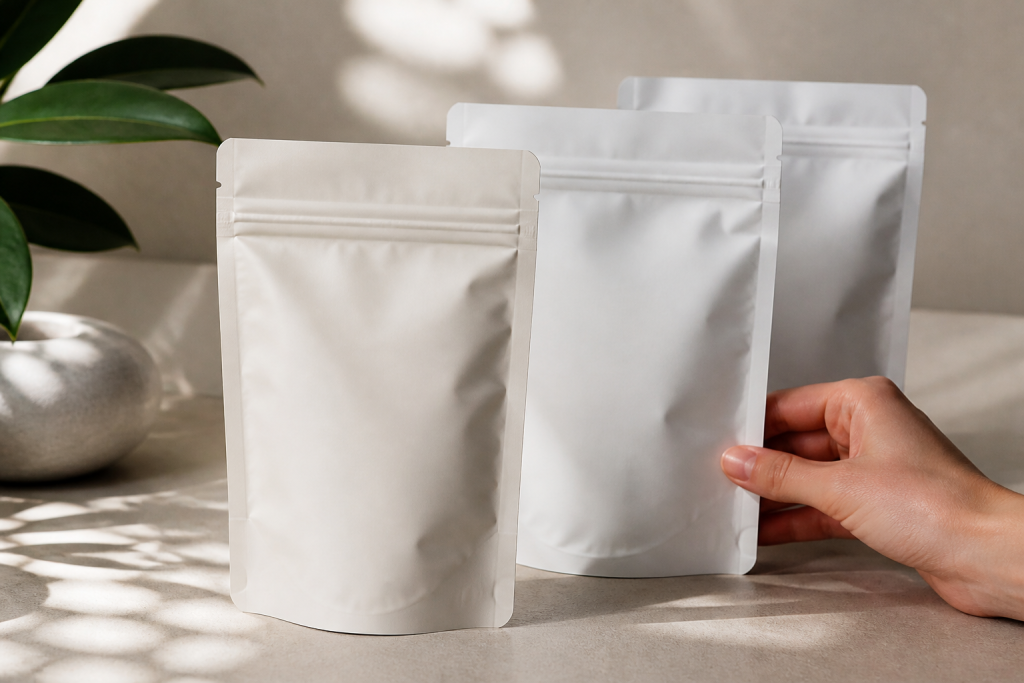
There is also theatre. A crisp tear notch, a firm zip closure and a neat label do a lot of work. Buyers read those details as competence.
Where brands get burned: law, claims and slang
Most readers already know the basics. Recreational cannabis remains illegal in the UK. That single fact shapes every marketing decision.
If you sell CBD products, the marketing trap is usually claims rather than packaging. The UK regulator position is clear. Medicinal claims can bring a product into medicines regulation, even when the product looks like a supplement or cosmetic.
The MHRA sets out its position on CBD and medicinal claims in its statement on products containing cannabidiol.
Advertising enforcement is not theoretical. The ASA and CAP publish specific advice for CBD advertisers. The core point is simple. Avoid disease treatment claims unless you hold the right licence.
The CAP Executive summarises this in its CBD containing products guidance.
Food format adds another layer. CBD ingestibles sit inside novel foods expectations in Great Britain. Packaging shouldn’t imply an unauthorised food is a normal grocery item.
Government guidance on authorisation routes sits in Cannabidiol (CBD) guidance.
Then there’s tone. Drug slang, cartoon cues and anything that looks like encouragement can attract attention. CAP covers this broader issue in its advertising guidance on drugs.
Finally, be careful with implied legality. If packaging leans too hard into “import” storylines, it can look like a wink to illicit supply. Home Office material on controlled cannabinoids is a grounding read.
See the drug licensing factsheet on cannabis, CBD and other cannabinoids.
Design choices that actually carry a strategy
The best “Cali style” packaging in the UK is less about noise. It’s more about control. Control of odour, light, handling damage and presentation.
Material selection comes first. Mylar-style pouches are popular for good reasons. They’re lightweight. They also offer strong barrier performance and a clean print surface.
Jars solve a different problem. They protect shape. They also give a brand a stable on-shelf presence for retail environments that allow it.
Tamper evidence is not a gimmick. It’s a trust cue. It tells the buyer the product hasn’t been opened or swapped.
Information design is where UK brands can look more grown-up than the imitation imports. Batch cues, sensible warnings and clear ingredient language are not boring. They are differentiators.
Keep cali pack usage practical. Use it to reinforce provenance and consistency. Avoid using it to suggest strength or effects.
- Clear batch and variant naming
- Tamper seal placement that’s hard to fake
- Finish choices that still read well on camera
- Space for compliant labelling without clutter
| Format | Best suited to | Packaging signals |
|---|---|---|
| Printed on Mylar Bags | High consistency lines with repeat runs | Brand permanence and retail polish |
| Sticker on Mylar Bags | Short runs, launches and fast iteration | Agility with a premium look |
| Mylar Bags | Brands that already have labels sorted | Functional protection without fuss |
| Jars | Products needing crush protection | Premium weight and display presence |
| Tamper Jars | Lines where trust cues matter most | Security and professionalism |
| Miron Jars | Light sensitive products in boutique ranges | Apothecary styling and “careful handling” cues |
| Pre-Roll Tubes | Single item presentation and portability | Convenience and cleanliness |
| Vape Bags | Devices and accessories that need discreet storage | Orderliness and brand cohesion |

Where CaliPack Pro fits into a modern UK approach
CaliPack Pro is a UK packaging supplier. The catalogue covers printed pouches, plain Mylar bags, jars, tamper jars, Miron-style jars, pre-roll tubes, vape bags, stickered pouches, custom print on demand and bundles.
That range matters because “Cali style” is not one thing. Some brands need a flagship printed pouch. Others need speed, which makes stickered runs more sensible.
There is a boring truth about cali pack marketing in Britain. Brands win when they look consistent over time. They lose when every drop looks like a different importer fantasy.
A practical strategy starts with a system. Choose one or two primary pack formats. Build variants through colour, small graphic elements and disciplined naming.
Then use the rest of the catalogue for support. Tubes can standardise single items. Bundles can keep secondary packaging aligned across a range without constant redesign.
The 2026 shift from loudness to proof
Design fashion changes quickly. The current mood is less cartoon and more credibility. Brands want packaging that still pops, yet it reads as controlled and adult.
That pushes a few cali pack trends to the front. Cleaner typography is back. So is space for traceability cues, even if the buyer never scans anything.
It also brings restraint on claims. UK audiences are more sceptical now. Regulators are also more literate in how packaging implies effects.
Sustainability is part of the conversation, even if flexible packaging recycling remains patchy. A brand doesn’t need to pretend it has solved waste. It does need to avoid looking careless.

Frequently Asked Questions
Are “Cali packs” legal in the UK?
Packaging formats are legal in themselves. The legal risk comes from what is sold inside and how it’s marketed. In the UK, recreational cannabis remains illegal, which shapes how any “Cali” presentation is perceived.
Can a CBD brand use a “Cali style” design without getting in trouble?
It can, if the design avoids drug encouragement, avoids youth appeal cues and stays clear of medicinal claims. Claims are often the fastest route to enforcement. CAP and the MHRA guidance are the best starting points for wording discipline.
What should be on the label for UK-compliant CBD products?
It depends on product type and how it’s positioned. Food and supplements have different expectations from cosmetics. Keep language factual, avoid disease treatment claims and make sure the pack has space for compliant information.
What packaging features help prevent counterfeiting?
Tamper evidence, consistent print quality and a repeatable information layout help. Simple serialisation and batch presentation can also make fakes stand out. The goal is not invincibility, it’s making fraud harder and more obvious.
Which pack format is best for a new brand testing variants?
Stickered pouches are often the most flexible option for early-stage testing. They let you keep the base packaging consistent. You can change variants without committing to a large printed run.