Packaging talk has changed in 2026
Search trends keep throwing up the same question: what is a cali pack and is it actually better than “normal” packaging. The short answer is that it depends on your product, your compliance burden and your customer.
In the UK, the argument has shifted. Shelf appeal still matters. Odour control, tamper evidence and child resistance tend to matter more. Sustainability claims get scrutinised harder than they did.
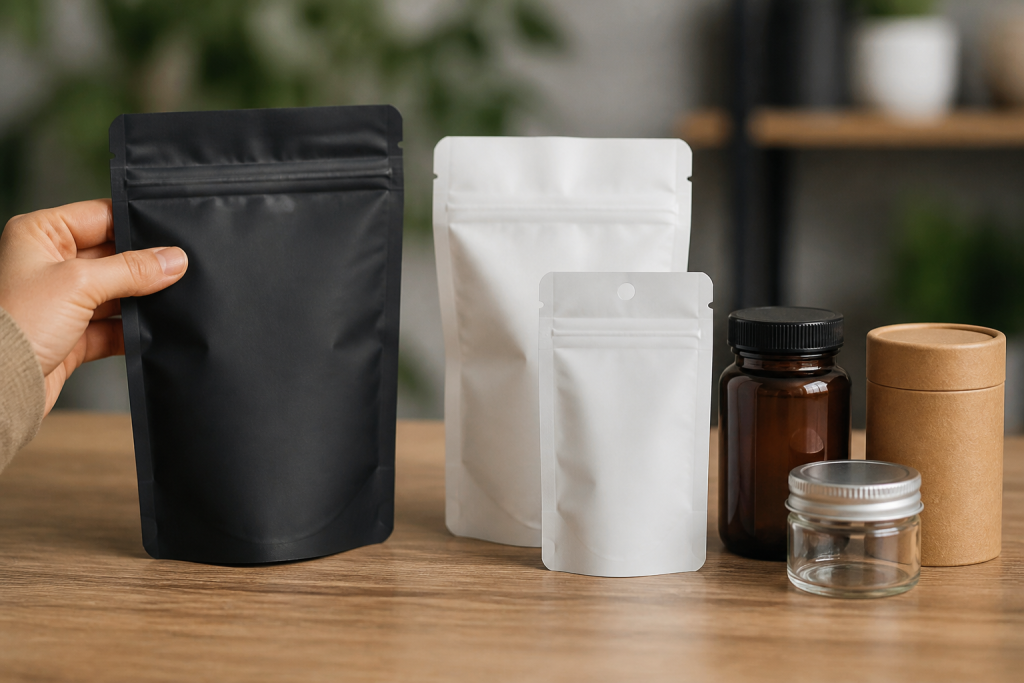
CaliPack Pro sits on the practical side of this debate. The catalogue is focused on formats people actually use. That includes Printed on Mylar Bags, Mylar Bags, jars, tamper jars, Miron jars, pre-roll tubes, vape bags, Sticker on Mylar Bags, custom print on demand and bundles.
There are plenty of cannabis packaging options. Most of them are fine. Some are mismatched to the product. Some are mismatched to UK expectations.
So, what is a cali pack in 2026?
In UK chatter, “Cali pack” usually means a branded Mylar style pouch. It tends to be sized for dried flower. It often has bold graphics.
That loose usage matters. It is not a regulated category. It is a style shorthand. It also creates confusion when people treat it as a quality standard.
Here is a workable cali pack definition for buyers. It is a flexible pouch made from laminated barrier films. It’s often heat sealable. It’s commonly reclosable.
Typical cali pack features show up again and again.
- Barrier laminate that limits odour transfer
- Heat-seal top with a tear notch
- Zip closure for re-closing
- Large print area
In manufacturing terms, many of these pouches use polyester film and polyethylene. Some add an aluminium layer for extra barrier performance. That extra layer changes recyclability. It also changes stiffness and “hand feel”.

The appeal of Mylar packs, with a few hard truths
The strongest argument for flexible pouches is barrier performance. It’s difficult for paperboard to compete. Glass competes on barrier. Glass then loses on weight and breakage risk.
This is where most cali pack benefits sit. You get strong odour control. You get light protection when the film is opaque. You get fast packing lines with heat sealing.
The hard truth is that not every pouch is automatically “compliant”. Child resistance is format specific. A basic press-to-close zip is not the same as a certified child-resistant closure.
Tamper evidence also gets misunderstood. A heat seal is a strong start. It becomes meaningful only if the consumer can see it was broken. That’s where tear notches, seal integrity and clear opening behaviour matter.
If you sell CBD, you also need to think about claims. Packaging should support proper labelling. It shouldn’t encourage medical promises. The Advertising Standards Authority is not shy about enforcement.
There’s also the environmental conversation. Flexible laminates can be hard to recycle through kerbside systems. The rules around packaging waste obligations are a live issue in 2026. Start with the UK guidance on packaging waste regulations.
Jars, Miron glass and the premium problem
Rigid packaging sells “quality” quickly. It also carries real cost in storage, shipping and breakage. Many brands still accept the trade-off for flower and for higher value extracts.
Standard jars win on simplicity. They stack well. They label cleanly. They feel familiar to UK buyers who associate pots with pharmacy packaging.
Tamper jars add a more obvious tamper cue. That reduces arguments about whether something was opened. It can also reduce product returns linked to suspicion.
Miron jars sit in a narrower lane. They’re chosen for light management and for a boutique look. If you want the manufacturer’s positioning, read Miron’s own material notes. Treat any “keeps it fresh for longer” claim with caution unless you have test data.
A thread on the UK medical cannabis subreddit in 2026 showed something else. Many patients care more about a good seal than flashy graphics. That matches what you see in repeat purchasing behaviour.
Jars also bring a safety detail that gets ignored. Child resistance can be achieved with the right closure. It’s not automatic. It needs specifying and testing.

Boxes, cartons and paper-first formats
Paperboard looks tidy on a shelf. It also takes print well. It’s often easier to recycle than multi-layer laminates.
The catch is barrier performance. A box usually needs an inner pack. That might be a pouch, a jar, a blister or a sachet. You end up with a hybrid system.
Paper also struggles with odour control. That matters for flower. It matters less for hardware. It can be fine for branded outer packaging around a compliant inner.
If you’re trying to get recycling right, start with clear UK guidance. WRAP is a sensible reference point for packaging recyclability messaging and consumer disposal behaviour.
Boxes have one more risk. They can invite over-design. If your artwork drifts into someone else’s trade marks, you’re buying trouble. The UK Intellectual Property Office is the place to get grounded fast.
Compliance details people forget when comparing formats
Most packaging debates fixate on looks. Compliance is less photogenic. It decides whether your product can be shipped and sold without drama.
Child-resistant packaging should be treated as a requirement question. It’s not a vibes question. ISO 8317 is a common reference for reclosable child-resistant packaging. See the ISO listing for ISO 8317.
Tamper evidence is separate. A zip closure doesn’t prove anything on its own. A heat seal helps. A tear-away band helps. A shrink band can help on jars and tubes.
Label space is another trap. If you need batch details, warnings, cannabinoid content and handling instructions, you need room. A pouch gives you room. A small tube may not.
Material compatibility matters too. Some products can interact with plastics. Some terpenes are aggressive solvents over time. Trade guidance like Food Engineering’s overview of how to select cannabis packaging is useful for framing barrier and compatibility questions.
A straightforward format table for UK teams
Most buyers don’t need a sermon. They need a cali pack comparison that maps formats to use cases. Start here. Adjust it to your product and your compliance position.
When people ask what is a cali pack in a buying meeting, they usually mean a printed pouch. They’re comparing it to jars, boxes or tubes. They’re also comparing it to plain packaging with a label.
| Format | Best for | Strengths | Watch-outs |
|---|---|---|---|
| Printed Mylar bag | Flower and small batches with strong branding | Large artwork area. Good barrier potential. Efficient heat sealing | Recyclability can be difficult. Child resistance needs specifying |
| Sticker on Mylar bag | Fast turnaround and SKU variety | Flexible labelling. Easier version control | Labels can scuff. Finish can look cheaper if poorly applied |
| Standard jar | Flower with a premium feel | Rigid protection. Easy handling | Heavier shipping. Breakage risk. Odour control depends on closure |
| Tamper jar | Products where “sealed” must be obvious | Clear tamper cue. Strong consumer confidence | More components. More packaging weight |
| Miron jar | High-end presentation | Distinctive look. Light management story | Cost control becomes important. Claims need evidence |
| Pre-roll tube | Pre-rolls and single units | Crush protection. Pocket-friendly | Limited label space. Child resistance varies by closure |
| Vape bag | Cartridges and accessories | Flexible sizing. Clean retail presentation | Barrier needs vary. Hardware still needs protection in transit |

Frequently Asked Questions
Are “Cali packs” legal in the UK?
Packaging styles are not “legal” or “illegal” by name. What matters is whether your labelling, claims, child resistance and tamper evidence meet the rules for your product category. If you’re unsure, check with a qualified compliance adviser.
Is a Mylar pouch better than a jar for flower?
A pouch can offer excellent odour control and light protection. A jar can feel more premium and can protect against crushing. The better choice depends on closure quality, shipping realities and the experience you want at opening.
Do I need child-resistant packaging for CBD products?
It depends on your exact product and how it’s classified. Many brands choose child-resistant formats to reduce risk and to meet retailer expectations. Use recognised standards where possible. Document your decision.
What is the most sustainable option for cannabis packaging in 2026?
There is no universal winner. Paperboard can recycle well. It often needs an inner barrier pack. Flexible laminates can be lightweight. They can be harder to recycle. Focus on right-sizing, reducing components and using clear disposal guidance.
Can I use playful sweets-style artwork on my packaging?
That is risky. Trade marks and trade dress disputes are real. It can also create concern about appeal to children. Keep your design original. Use the UK Intellectual Property Office resources if you need to sanity-check your direction.